

Asia Travel: Five Summer Escapes


FIVE SUMMER ESCAPES AROUND ASIA
Summer in Asia is about timing. While some regions are drenched in monsoon rain, others come into focus, with open mountain routes, dry coastlines, and seasonal windows unique to this time of year. Head east in Sri Lanka, and the beaches are at their best. In northern India, high passes reopen, and the Himalayas become accessible again. Japan's Tohoku region shifts into festival season, while Indonesia's outer islands are best explored in motion, by sea. In Mongolia, venture from the South Gobi to the steppe, where desert, grassland, and open skies all come into their own.
SRI LANKA’S EAST COAST SHIFT

Sri Lanka is a tiny jewel of an island, but it has multiple seasonal variations. Summer flips the country on its head. While the southwest coast leans into monsoon season, the east coast comes into its own, with long, dry days and calm seas along stretches like Trincomalee and Pasikudah, where Uga Bay makes for an enviable base. This is the window for empty beaches, whale sightings offshore, and access to lesser-visited national parks where elephants gather in large numbers. Inland, the Cultural Triangle still delivers with its ancient cities and cave temples, but the real appeal is the contrast between heritage and coast, all within a relatively tight radius.
Inland, the Cultural Triangle still delivers with its ancient cities and cave temples, with Water Garden Sigiriya offering an enviable base near the giant rock fortress. The real appeal of this itinerary, though, is the contrast between heritage and coast, all within a relatively tight radius.
INDONESIA’S MOVING FRONTIER

Indonesia’s wild archipelagic ride demands fluidity. And eastern Indonesia is best understood in motion, unfolding across a chain of remote outposts linked by sea. Komodo National Park is where the journey begins, with dragons roaming the islands of Komodo and Rinca, and viewpoints like Padar offering some of the region’s most striking panoramas. Beneath the surface, the waters are just as compelling, with manta rays, sea turtles, and coral-rich reefs, alongside stops at Pink Beach. From Labuan Bajo, the gateway to the archipelago, the experience quickly expands. Flores adds depth with the crater lakes of Kelimutu, traditional villages, and the spider-web rice fields of Cancar. Exploring by boat ties it all together, whether on a private yacht or small expedition vessel, turning the region into a continuous, shifting journey rather than a single destination. Sailing Komodo National Park pairs exceptionally well with the castaway island of Sumba, home to two of the archipelago's most tempting resorts in longtime Remote Lands' favorite, NIHI Sumba, and relative newcomer Cap Karoso.
NORTHERN INDIA AT AN ALTITUDE
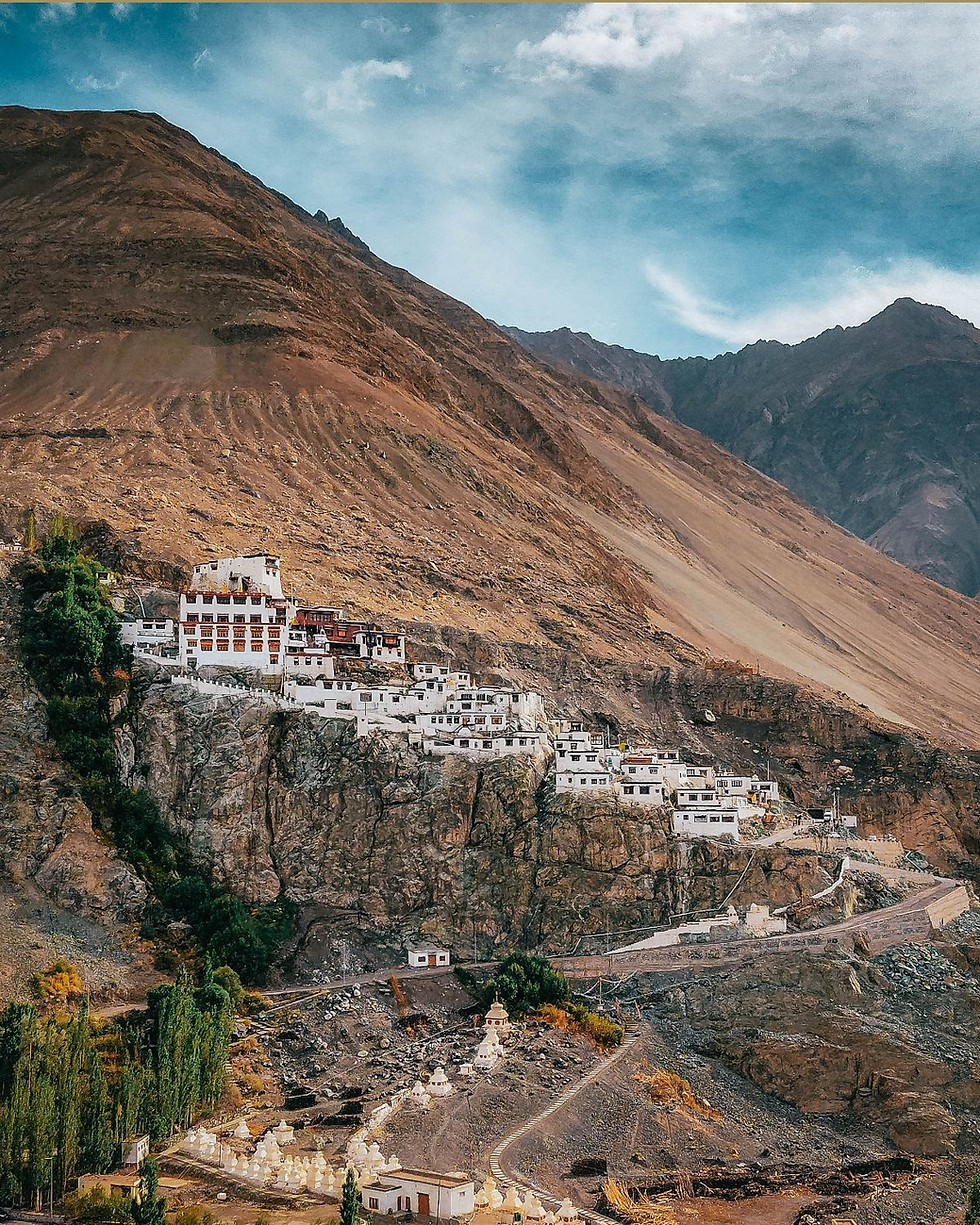
Ladakh and Kashmir only really come into play for a short summer window, when the roads open and the region becomes accessible. In Ladakh, the landscape is stark and high-altitude, with highlights including Lake Tso Moriri in the Changthang region, the dunes and Diskit Monastery of the Nubra Valley, and the ever-changing blues of Pangong Tso. Leh remains the gateway, while Khardung La, Hemis National Park, and the Zanskar Valley add further scale and remoteness. Kashmir offers a softer counterpoint, with Srinagar’s lakes and Mughal gardens, the green valleys of Gulmarg and Pahalgam, and well-placed stays including The Khyber Himalayan Resort & Spa in Gulmarg and Vivanta by Taj – Dal View above Dal Lake. Near Leh, The Ultimate Traveling Camp's Thiksey Camp offers tents with four-poster beds and fine dining, blending safari-style atmosphere with Himalayan serenity, as campfires glow against the chill and silence envelops the desert.
MONGOLIA’S OPEN HORIZONS
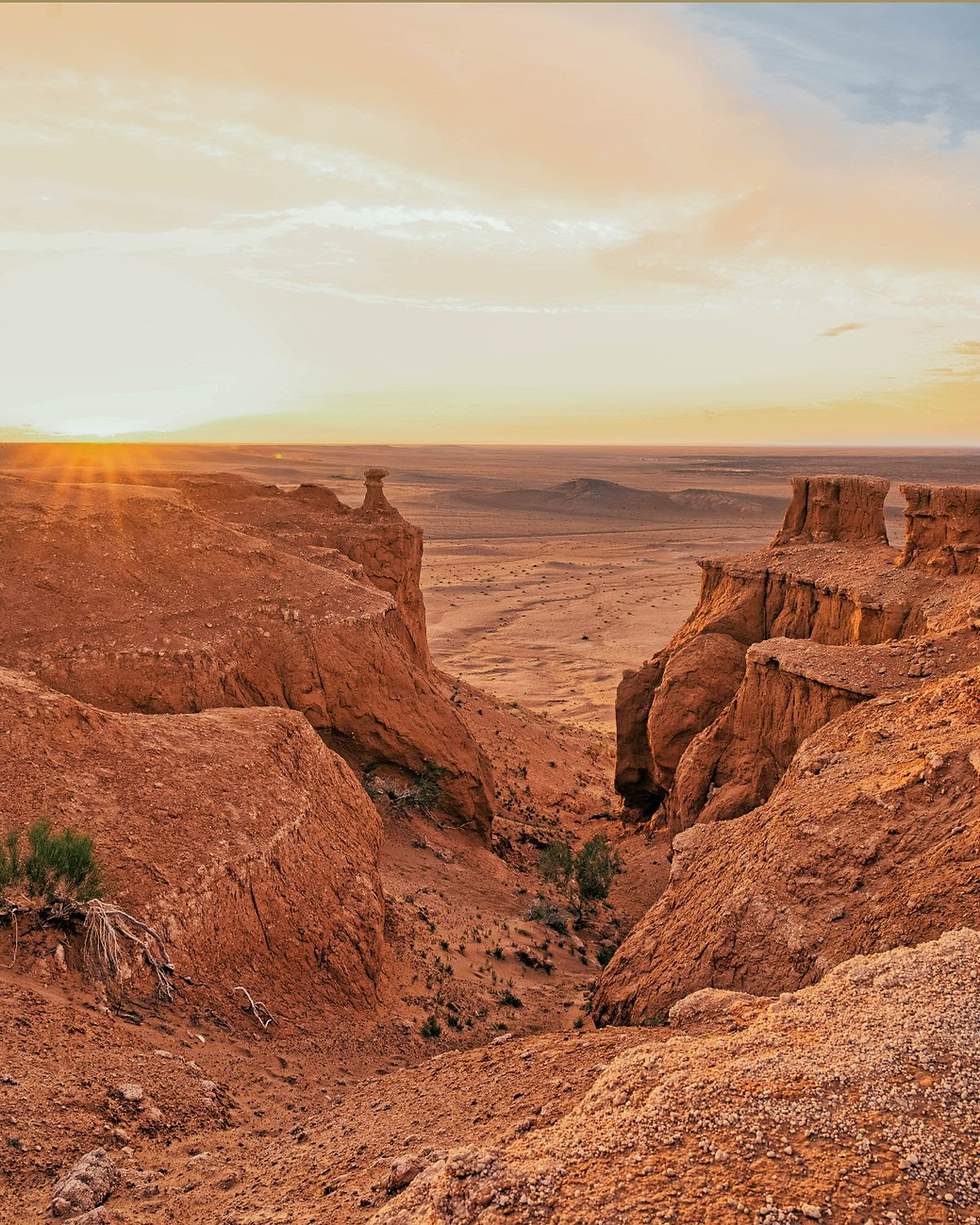
Summer is the ideal time for a first journey through Mongolia, when a path through the South Gobi and Hustai National Park reveals the country in sharply different shades. In the Gobi, days move from Yol Valley in the Gurvansaikhan Mountains to the dunes of Moltsog Els and the red sandstone formations of Bayanzag, or the Flaming Cliffs, before continuing to the plains of Hustai National Park, where Mongolia’s reintroduced wild takhi horses roam once more.
In Ulaanbaatar, stays such as Ayan Zalaat provide a comfortable city base, while in Kharkhorin, Ikh Khorum Hotel adds a historical stop near Erdene Zuu Monastery and the Orkhon Valley Cultural Landscape. In the South Gobi, Remote Lands’ favorite Three Camel Lodge brings real character with traditional ger tents and access to hiking, camel trekking, horseback riding, and excursions to the Flaming Cliffs.
JAPAN’S NORTHERN STAR

Tohoku, in Japan’s north, comes into its own in summer, with cooler temperatures, open trails, and a run of festivals that bring entire towns out in force. The rugged coastline is best experienced along the 600-mile Michinoku Coastal Trail, while Matsushima Bay offers a quieter counterpoint with its pine-covered islets and historic temples.
Further inland, national parks such as Towada-Hachimantai open for hiking, with crater lakes, forested trails, and hot spring towns along the way. The season also brings some of Japan’s most distinctive festivals, including Aomori’s Nebuta Matsuri, where illuminated floats fill the streets. It’s a region that combines landscape and culture without the density of Japan’s better-known destinations.


